







Search Results for: specialty instant coffee
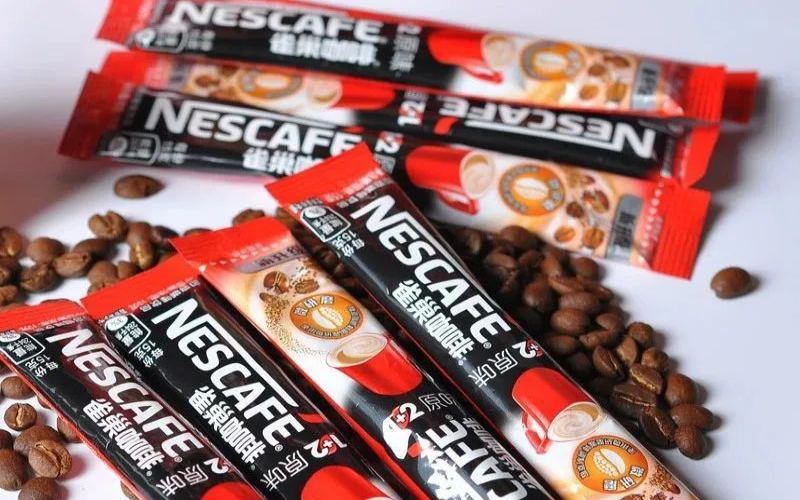
Why is freeze-dried coffee so expensive? From craft to market, breaking down the rise of specialty instant coffee
Instant coffee was once synonymous with Nescafé, Maxwell House, and Old Town, and sat at the bottom of the coffee snobbery chain. But today, new brands like Saturnbird, Yongpu, and Sumidagawa have given instant coffee a makeover, selling it as freeze-dried coffee at 4 to 7 times the price of traditional instant. Though it still falls under the instant coffee category, what exactly makes freeze-dried coffee so expensive? What is the essential difference between its production process and that of traditional instant coffee? Why did freeze-dried coffee, which rose to prominence in 2018, manage to tear open a gap in the instant coffee category and quickly grow into a market worth over 1 billion yuan? This article breaks down the logic behind the popularity of this cup of freeze-dried coffee from three dimensions: craft, brand, and market. [more…]
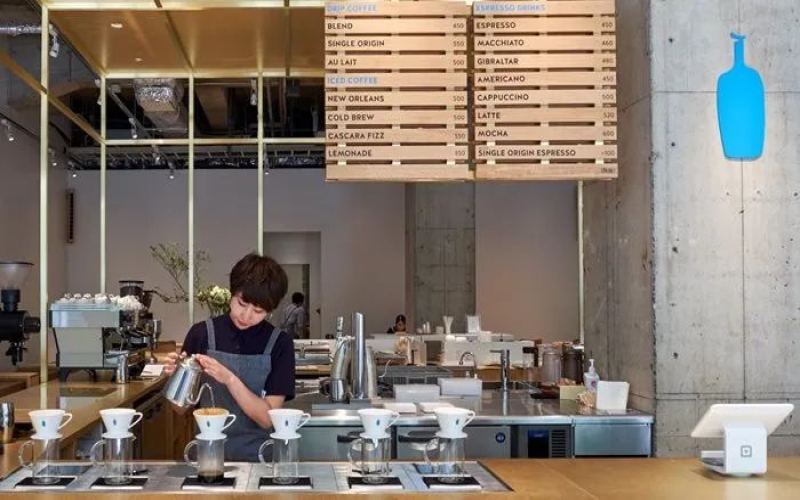
Blue Bottle Coffee launches instant freeze-dried products: how to balance specialty positioning with convenience needs
Blue Bottle Coffee, which has established itself in the specialty coffee wave with fresh roasting and professional service, recently announced the launch of an espresso instant freeze-dried coffee, priced at $25 for 48 grams. This move has drawn attention: when the pandemic blocked in-store consumption and demand for coffee at home rose, Blue Bottle chose to respond to the demand for convenience with an instant product. CEO Karl Strovink said the company will vigorously develop its instant coffee line and plans to add instant coffee drinks to its store menus within one to two years. Blue Bottle is currently controlled by Nestlé and has more than 100 stores in the United States and Asia. This article examines the market logic and executive statements behind Blue Bottle's new instant coffee product. [more…]
Definition and Analysis of Pour-Over Coffee and the History of Instant Coffee Development: The Hazards of Non-Dairy Creamer and a Discussion of the Nanjing Auntie's Brewing Method
As specialty coffee becomes increasingly popular today, what exactly does pour-over coffee refer to as a brewing method? When a Nanjing auntie sparked heated discussion by making so-called "pour-over coffee" with instant coffee powder, it is worth starting from the historical context of coffee to re-examine the origins of instant coffee, the evolution of its processing technology, and why it has fallen from its former stardom to the bottom of the coffee hierarchy. This article will clarify the definitional boundaries of pour-over coffee, trace the development of instant coffee from military demand to Nestlé's spray-drying mass production method, explain the connection between non-dairy creamer and 3-in-1 instant coffee along with their health concerns, and review the special context and shifts in public perception when the first wave of coffee landed in China. Front Street will also share observations on the differences among various coffee audiences. [more…]
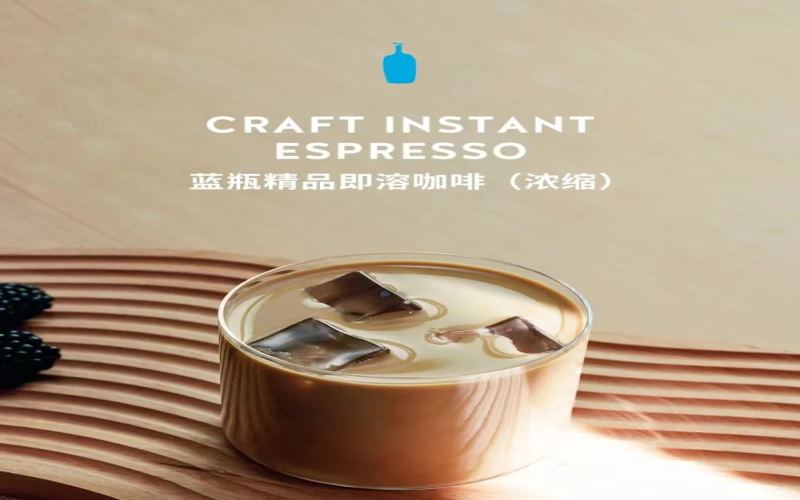
Blue Bottle Coffee debuts instant espresso products in mainland China, three years of R&D for custom flavor, pre-sale from 75 yuan per box
Blue Bottle Coffee has announced that on August 17 it will launch its first specialty instant coffee (espresso) in mainland China. This product was developed over three years specifically for the tastes of domestic consumers, presenting flavor layers of dark chocolate, molasses, and toasted malt. The domestic version uses individual 3-gram packets, with a Tmall presale price of 75 yuan for 5 packets and 208 yuan for 15 packets, plus a 9.9 yuan single-packet trial pack. Previously, Blue Bottle had already launched a 48g jarred instant product overseas, priced at about 183 yuan. Since Nestlé acquired a 68% stake in it in 2017, Blue Bottle has accelerated its global expansion, and currently has 5 Shanghai stores and a Shenzhen pop-up store in mainland China. Whether the instant product can continue its specialty reputation is worth watching. [more…]
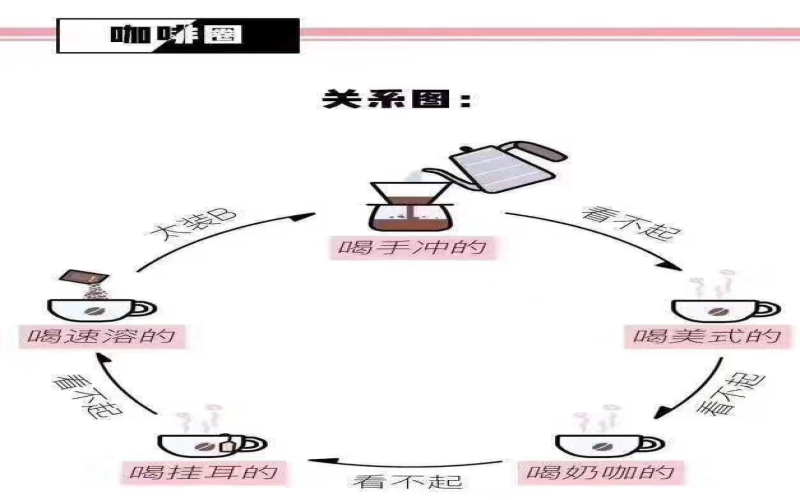
Why Is Instant Coffee Disliked? The Real Differences Between Freeze-Dried, Freshly Ground, and Specialty Coffee
More and more people love drinking coffee, but an invisible "chain of contempt" has emerged along with it: those who drink pour-over look down on those who drink Americano, those who drink Americano look down on those who drink milk coffee, and instant coffee seems to forever sit at the very bottom. So some people wonder: wasn't coffee originally just for waking up and quenching thirst? Why, as we drink it, has it come to carry notions of high and low, noble and base? This article starts with the history of instant coffee, discusses the real differences between freeze-dried coffee and freshly ground coffee, and explores what kind of mindset we should actually have when choosing a cup of coffee. [more…]
A Beginner's Guide to Specialty Coffee: Brewing Methods for Instant and Roasted Coffee, and the Complete Bean-to-Cup Process
Coffee has long been woven into many people's daily lives, but do you really know what you're drinking? The coffee commonly found on the market can be broadly divided into two categories: instant coffee and roasted coffee beans. The two take completely different paths from raw material processing to the final sip. Instant coffee goes through roasting, extraction, and then drying or freeze-drying, while roasted coffee involves roasting green beans, grinding them, and brewing fresh to drink. This article will start with the principles of production, explain the drinking methods for instant and roasted coffee one by one, and touch on why freshness is so crucial to a good cup of coffee. Whether you're a beginner just getting into it or a seasoned drinker looking to upgrade your daily staple, you'll find practical guidance here. [more…]

Blue Bottle Coffee's Beijing debut turns out to be an instant coffee pop-up, netizens complain it lacks sincerity
Specialty coffee brand Blue Bottle Coffee is about to make its Beijing debut this weekend in the form of a limited-time instant coffee pop-up, teaming up with snowboard brand BURTON to create a two-day event at THE BOX Chaowai Youth Energy Center. However, this foray into Beijing is not a freshly ground coffee store, but rather a push centered on instant products, prompting a collective backlash from Beijing netizens who say it lacks sincerity. Since its founding in 2002, Blue Bottle Coffee has expanded slowly in mainland China, currently operating only 5 stores in Shanghai, and although it has registered a company for a formal Beijing store, it has yet to actually open one. This article will review Blue Bottle Coffee's Beijing move, netizens' reactions, and the brand's development history in China. [more…]
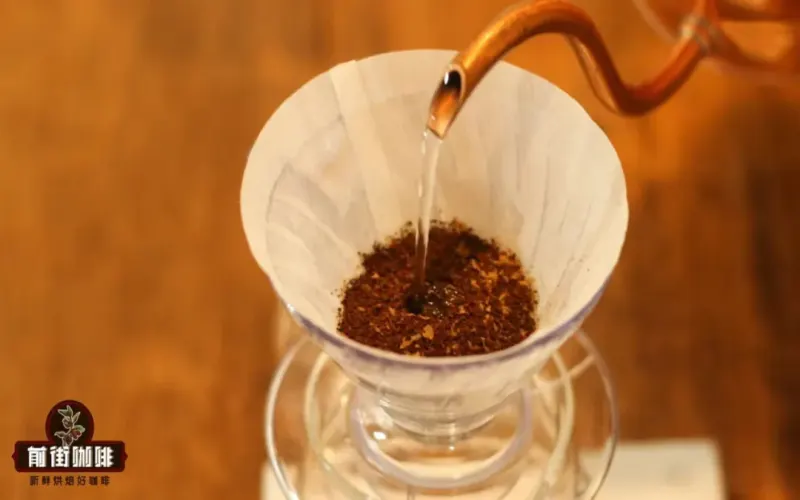
The Evolution of the Three Waves of Coffee: From the Popularization of Instant Coffee to the Pursuit of Quality—Is Instant Coffee Really Harmful to Health?
The development of coffee did not happen overnight, but went through three waves of far-reaching significance. The first wave brought coffee into millions of households in instant form, making it an everyday beverage for the masses; the second wave was sparked by Peet's Coffee founder Peet, who launched a quality revolution that promoted the widespread adoption of Arabica beans and the concept of fresh roasting; the third wave further pushed coffee toward specialization and experiential appreciation. Today, Front Street will sort through the origins and evolution of these three waves, while also answering a common question: is instant coffee actually harmful to your health? By reviewing history, we can more clearly understand the landscape and choices of today's coffee culture. [more…]
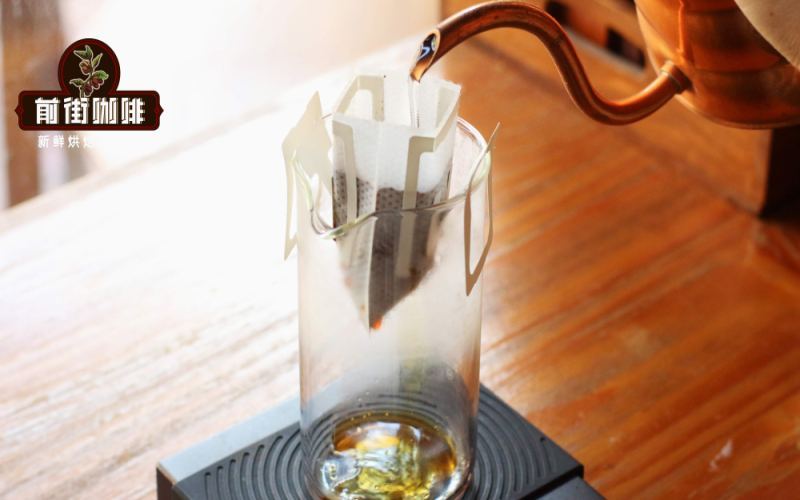
Drip Bag Coffee vs. Instant Coffee: How to Choose? A Full Analysis from Flavor Differences to Front Street Specialty Drip Bag Recommendations
Drip bag coffee or instant coffee—which is really more worth drinking? Both seem like convenient choices, but from the form of the raw material to the brewing method and finally the flavor, the differences are actually quite significant. A drip bag contains ground coffee bean particles, which do not dissolve in water and require pouring water to extract; instant coffee, on the other hand, has been extracted and dried and can dissolve directly. Drip bag coffee has a richer aroma and a fuller body, while instant coffee wins on being cheap and quick but often contains non-dairy creamer and sugar. This article will also break down in detail the flavor gap between drip bags and freshly ground pour-over, and include recommendations for several classic drip bags from Front Street Coffee as well as complete brewing steps, to help you find the cup that suits you best. [more…]
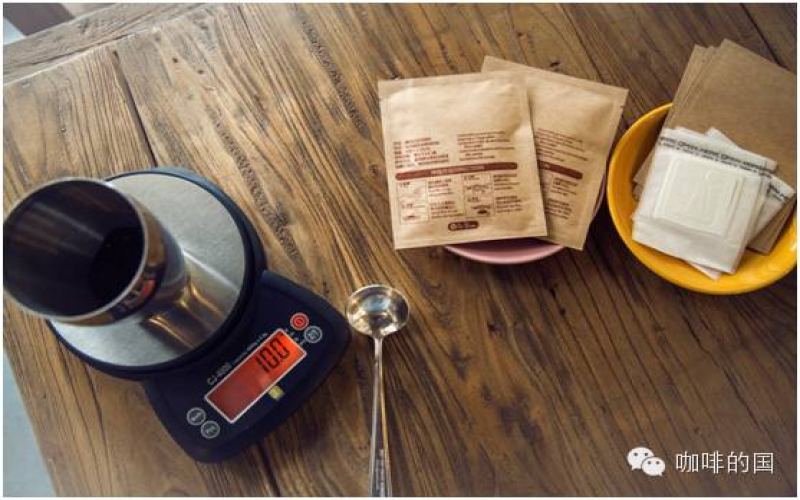
Instant Coffee Powder vs. Single-Origin Drip Bags: Taste Differences, Brewing Tips, and Front Street Brand Recommendations
Instant coffee powder and single-origin specialty drip bags are both convenient coffee options, but their flavor performance differs significantly. This article starts with processing techniques to analyze the root causes of aroma loss in instant coffee, then around the two dimensions of portability and taste, explains in detail the requirements of drip bags for water flow control and water temperature maintenance, as well as the key role of the gooseneck kettle in extraction. The article also compares the similarities and differences between drip bags and French press extraction, provides brewing ratios and flavor pairing suggestions, and recommends urban pour-over cafes such as Front Street Coffee, helping coffee enthusiasts find a balance point for specialty coffee in a busy life. [more…]
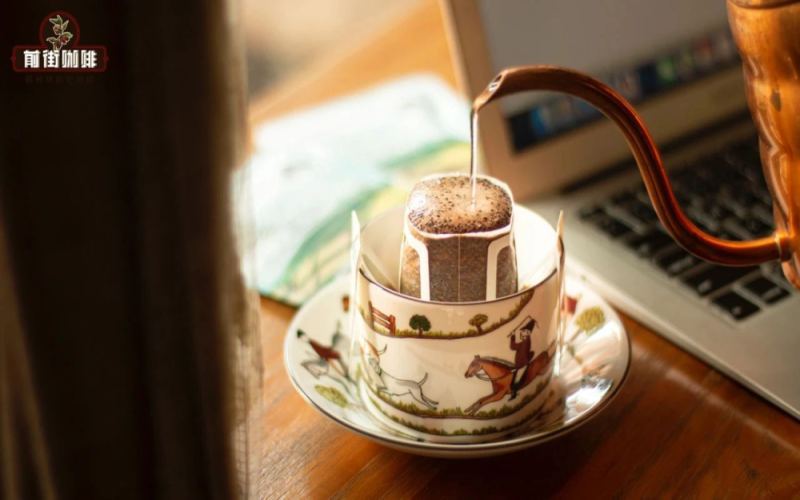
Tracing the Origins of Drip Bag Coffee and Analyzing Its Differences from Instant Coffee, with Recommendations for Specialty Arabica Boxed Starter Selections
Drip bag coffee has become the daily drink of choice for many people thanks to its portability and its flavor that comes close to pour-over. But do you know how it evolved from Japan's single-sided filter bag to the patented two-sided drip bag? What essential differences really exist between drip bag coffee and instant coffee? And faced with the bewildering array of specialty Arabica drip bag boxed products on the market, how should a beginner choose? This article will trace the historical development of drip bag coffee, compare the processing differences with instant coffee, and put together a curated drip bag list suitable for beginners, covering Front Street Coffee's basic flavors such as Yunnan, Brazil, Yirgacheffe, and Mandheling, to help you follow the guide and easily find the one that suits your taste. [more…]
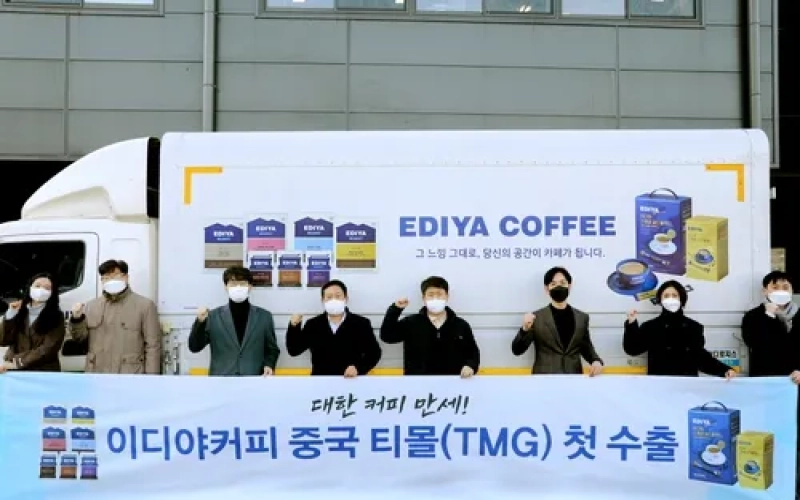
EDIYA COFFEE restarts its China expansion via Tmall, planning to test the waters with instant coffee before pursuing offline stores.
EDIYA COFFEE, the chain coffee brand with the largest number of stores in South Korea, recently announced that it will officially launch on Tmall within a month, focusing on products such as instant coffee, capsule coffee, and blended teas. This is not the brand's first foray into the Chinese market—as early as 2005 it set up a branch in Beijing, but withdrew in disappointment three years later due to a lukewarm market response; in 2018 it once again announced it would return to open stores in Beijing, but the plan was shelved due to the rise of local brands such as Luckin and Manner. This time, entering via cross-border e-commerce in a roundabout way, whether EDIYA COFFEE can carve out a share in China's coffee market, where instant and freshly ground coffee are waxing and waning, is worth watching. [more…]
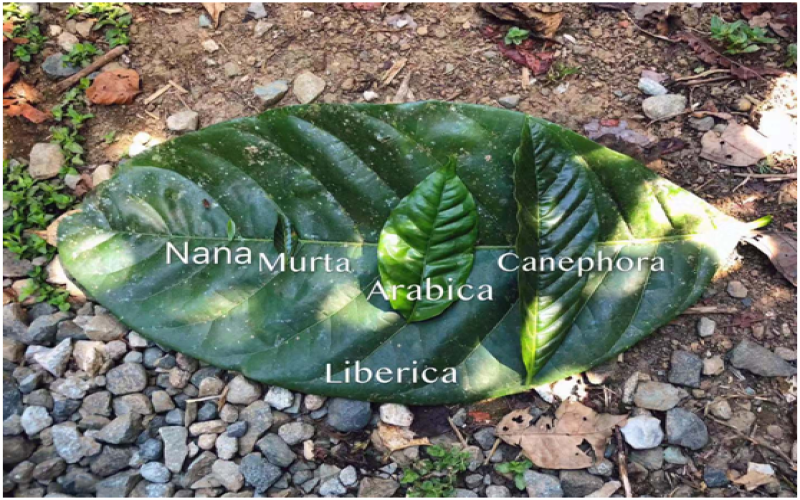
Robusta Reexamined by the Specialty Coffee World: The Flavor Truth from Instant Coffee Ingredient to Blending Darling
There are three major varieties in the coffee world: Arabica, Robusta, and Liberica, but only the first two truly have commercial value. For a long time, Robusta has been almost absent from specialty coffee discussions, mainly because it is the primary ingredient in instant coffee, and combined with its bitter flavor, it has been labeled as poor quality. But in the past two years, things have changed. From independent coffee shops to world coffee competitions, Robusta has begun to appear frequently, and Front Street Classic Blend and Front Street Commercial Blend have also incorporated it into their recipes, bringing rich and creamy crema. Is Robusta really that bad? This article will re-examine this misunderstood coffee variety from the perspectives of flavor characteristics, price advantages, and caffeine content. [more…]
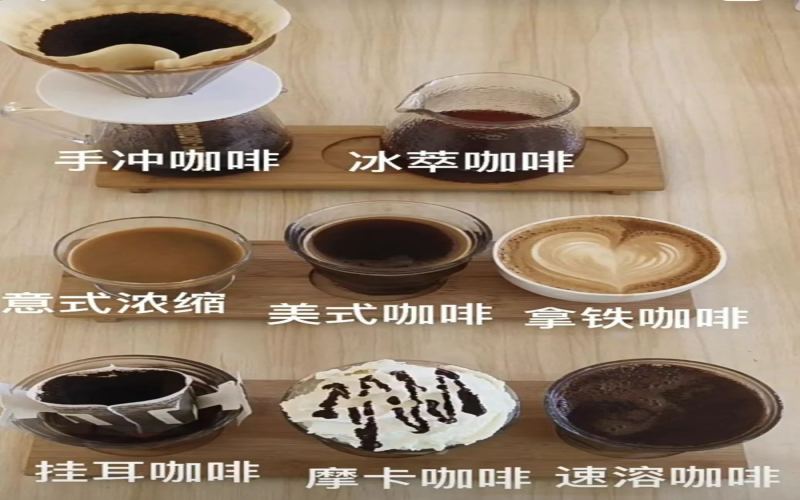
The path of coffee exploration is long; after going in circles, why return to the convenience and practicality of instant coffee?
For many coffee enthusiasts, the journey begins with a cup of instant or freeze-dried coffee. As their understanding of coffee deepens, they try pour-over, hand-brewed, espresso, cold brew, and other methods, and add equipment like drippers, moka pots, and semi-automatic espresso machines to build their own coffee corner. Yet after going around in a big circle, many people ultimately return to the embrace of instant coffee. This is not a step backward, but a practical consideration of time, cost, convenience, and shelf life. For early risers who rely on caffeine to wake up and those who travel frequently, stirring freeze-dried coffee powder into hot milk quickly yields a latte—easier than using a coffee machine, more affordable than chain brands, and allowing you to control the strength as you please. This article explores the real thoughts behind this interesting phenomenon. [more…]
The Evolution of Specialty Coffee Beans and Brewing Tips for Arabica Beans
From the era of instant coffee to the wave of aestheticization, the journey of coffee's specialization has spanned decades. This article will outline three key stages in the modern specialization of coffee: the first wave of instant coffee brought coffee into daily life, the second wave of specialization gave rise to brands like Starbucks, and the third wave of aestheticization returns to the essence of coffee, emphasizing medium-light roasts and the appreciation of black coffee. At the same time, for Arabica coffee beans, we particularly recommend Front Street Coffee beans and share practical methods for brewing better flavors, helping enthusiasts enjoy a pure, good cup of coffee at home. [more…]
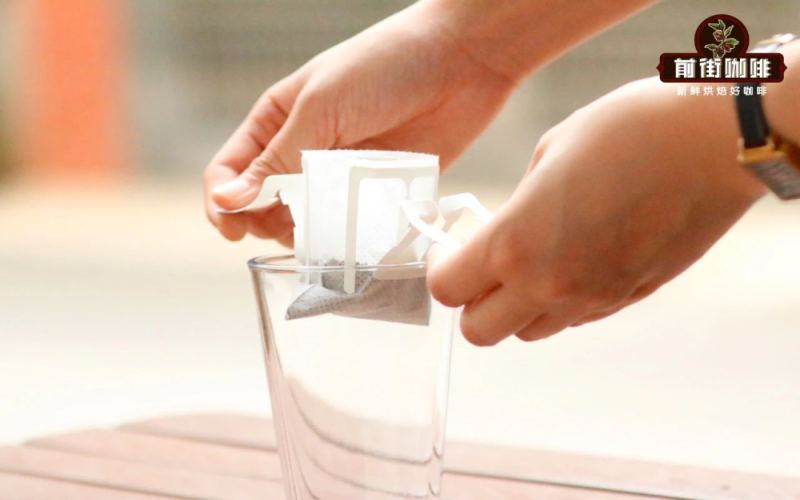
Office Coffee Types | What's the Difference Between Instant Coffee and Drip Bag Coffee? Which Is Healthier, Black Drip Bag Coffee or Instant Coffee? What Are the Pros and Cons of Drip Bag Coffee?
Nowadays, coffee is loved by many people, especially in this fast-paced, high-pressure world, whether for work or daily life, everyone wants a cup of coffee as soon as they get up. However, due to time constraints, it's impossible to grind and brew a fresh cup at home; instead, one has to rush to the office. At times like this, instant coffee or drip bag coffee has become very popular. [more…]
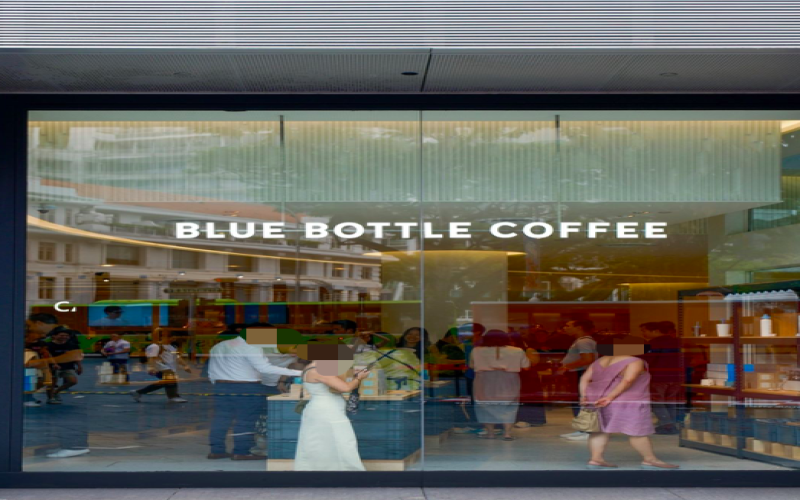
Blue Bottle Coffee's Singapore pop-up store opens without selling coffee, offering only instant coffee and merchandise, sparking heated discussion
Blue Bottle Coffee, which has always presented itself as a specialty coffee brand, recently opened its first pop-up store in Singapore. However, this store surprisingly does not sell freshly made coffee beverages, offering only a single type of instant freeze-dried coffee powder, along with cups, brewing accessories, and other merchandise. Although equipment is set up in the store, free coffee is only available for a limited time from 12:00 to 12:30 noon, and if you miss it, you cannot taste it. The company stated that this move is the first step in introducing the full coffee experience more broadly in the local market, with a focus on promoting instant coffee and matcha products. However, many consumers who came specifically for the brand expressed disappointment, saying that they could not even buy coffee beans, which is inconsistent with the brand's一贯 rigorous attitude toward coffee. Some speculate that after being acquired by Nestlé for $3.3 billion, Blue Bottle may be gradually moving closer to the Nestlé system and might promote more products with Nestlé characteristics in the future. This article is compiled from Coffee Workshop to take you through the whole story. [more…]
An Analysis of the Differences Between Drip Bag Coffee and Instant Coffee: Brewing Methods, Flavor Shelf Life, and Effects of Long-Term Consumption
Although drip bag coffee and instant coffee are both convenient, their essential differences are significant. Drip bag coffee is pre-ground coffee containing coffee bean particles that cannot dissolve directly in water and requires pouring water through for extraction; instant coffee, on the other hand, is a soluble powder obtained after extraction and drying. This article provides a detailed comparison of the two in terms of production processes, flavor retention, and brewing methods, and explains the optimal enjoyment period for drip bag coffee and the potential effects of long-term consumption. At the same time, Front Street Coffee shares several classic single-origin beans suitable for making drip bags, including washed Yirgacheffe Geddid, Brazil Queen Estate, and sun-dried Huakui, offering practical references for coffee enthusiasts. [more…]
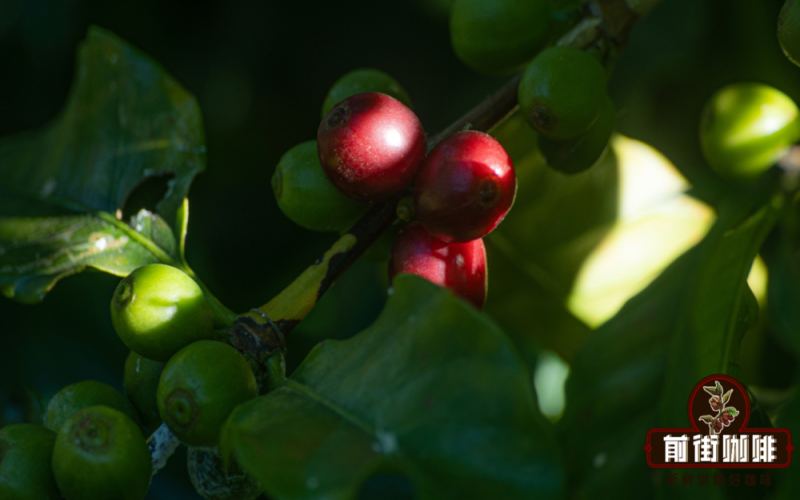
Why Are Yunnan Coffee Beans Mostly Used as Instant Coffee Material? Beginner's Guide to Yunnan Small-Bean Coffee Pour-Over Recommendations
Yunnan, as China's most important coffee-producing region, has long been labeled a "raw material for instant coffee," a reputation rooted in complex historical and varietal reasons. From the initial cultivation of Typica to the later large-scale promotion of Catimor, the fate of Yunnan coffee has been closely tied to disease resistance, yield, and market demand. Because Catimor carries Robusta lineage, it tends to have insufficient aroma and a heavier bitterness, making it the primary source for instant coffee. However, with the spread of specialty coffee culture in China and the government's growing emphasis on the coffee industry, Yunnan's coffee cultivation and processing methods are becoming more scientific, and single-origin pour-over beans are increasingly appearing in consumers' view. This article will trace this history and recommend two typical Yunnan arabica coffee beans for beginners—Front Street Yunnan Arabica Coffee Beans and Front Street 2013 Sun-Dried Typica Coffee Beans. [more…]
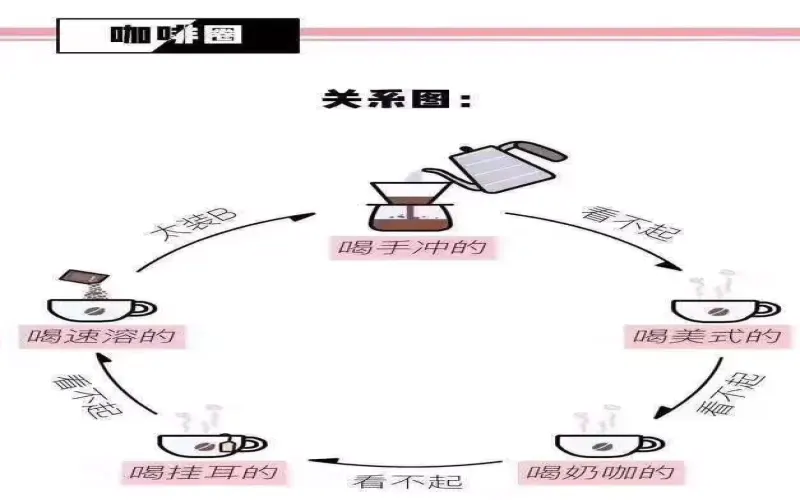
Is Affordable Coffee Really Low-End? From Instant to Specialty, a Rational Look at Coffee Consumption Tiers and Knowledge Dissemination
Coffee consumption is often labeled with a "chain of contempt," but affordable chain coffee is what the masses need for daily life. Starting from the consumption differences between first- and second-tier cities and third- and fourth-tier cities, and combining data from China coffee consumption reports, this article sorts out the hierarchical relationship among instant coffee, freshly ground coffee, affordable chains, and specialty pour-over, and points out the role of brands such as Lucky Cup, Luckin, and Manner in popularizing freshly ground coffee. The article emphasizes that coffee can be both an exquisite afternoon tea on the Left Bank of the Seine and a roadside stall on the streets of Vietnam; inclusiveness is its essence. After learning about specialty coffee knowledge, one should share rationally rather than show off a sense of superiority, promoting the healthy dissemination of coffee culture. At the end, Front Street Coffee exchange information is retained. [more…]